Noticias y eventos
Noticias
7 de Agosto de 2013
Se consolida movimiento para la conservación de las ballenas en Latinoamérica y el Caribe
Más de 70 organizaciones de la sociedad civil de Latinoamérica, el Caribe e internacionales, entregaron un petitorio a los miembros del Grupo de Buenos Aires (GBA), como se conoce a los comisionados latinoamericanos ante la Comisión Ballenera Internacional (CBI). El documento -alcanzado durante la reunión que el Grupo sostuvo entre el 5 y el 8 de julio de 2013 en Uruguay-, expresa la preocupación del colectivo civil frente a los desafíos para la conservación y uso no letal de cetáceos en el marco de la CBI. A la vez, se solicita al Grupo de Buenos Aires tomar acciones específicas sobre temas puntuales, entre los que destaca promover el establecimiento de una secretaria del Grupo por periodos anuales, con el objeto de poder coordinar los planteamientos y acuerdos a presentar en futuras reuniones de la Comisión Ballenera Internacional. .
Lee el petitorio al GBA aquí
8 de junio de 2012
En el Día de los Océanos: ONG Llaman a Sudáfrica a Reiterar su Compromiso con la Creación del Santuario de Ballenas del Atlántico Sur
En el Día de los Océanos, ACOREMA junto a 55 organizaciones no gubernamentales solicitaron a Sudáfrica, a través de una Carta a la Ministra de Relaciones Exteriores, sumarse como copatrocinante de la Propuesta del Santuario de Ballenas del Atlántico Sur.
10 de Mayo de 2012
Gobiernos de América Latina y el Caribe reafirmaron compromiso con la conservación de las ballenas
Representantes de gobiernos Latinoamericanos y del Caribe miembros de la Comisión Ballenera Internacional (CBI), integrantes del Grupo de Buenos Aires (GBA), se reunieron en la ciudad de Panamá entre el 3 y 4 de mayo, con el fin de coordinar acciones frente a la próxima asamblea anual de la Comisión Ballenera Internacional que se realizará entre el 2 y 6 de julio en Panamá. Como resultado de la reunión, los países del GBA emitieron un comunicado que destaca su compromiso con la conservación de las ballenas. Organizaciones de la sociedad civil de Latinoamérica y el Caribe hicieron llegar también al GBA su posición a través de una solicitud.
Lee la solicitud de las ONG al GBA aquí
Lee el comunicado del GBA aquí
10 de abril de 2012
Nota de prensa
ASUNTO: Llamado a la calma a la sociedad civil sobre el varamiento de delfines en las costas de Lambayeque y Piura
Habiendo seguido de cerca las recientes noticias sobre varamientos de gran número de delfines en el litoral de Lambayeque y Piura, queremos resaltar algunos puntos que requieren atención inmediata para evitar posibles situaciones de conflicto, especialmente, considerando que muchas de las noticias recientemente publicadas están basadas en observaciones y aseveraciones que aún no han sido rigurosamente corroboradas. Por ello, creemos conveniente solicitar a las poblaciones locales y gremios de pescadores en todo el litoral norte la calma necesaria en estos casos y quedar a la espera de la respuesta oficial del Gobierno sobre las posibles causas de estos varamientos.
Hemos observado que el número informado de delfines muertos ha ido aumentando en forma exponencial. Lamentablemente las causas aducidas por las informaciones aparecidas en diversos medios de comunicación son hipotéticas, ya que carecen de un sustento científico adecuado al no incluir un informe científico con evidencias verificables, basado en estudios de campo y de laboratorio más exhaustivos que permitan determinar la o las causas de estos eventos. El proceso es laborioso y toma algún tiempo, por ende la absoluta necesidad de subrayar la naturaleza no confirmada de las interpretaciones actuales.
Al mismo tiempo, como investigadores y como personas comprometidas con la conservación de los ecosistemas marino costeros, solicitamos que la información brindada por las organizaciones conservacionistas que han estado monitoreando in situ este evento sea objetiva en admitir un importante elemento especulativo, hasta que no presenten el informe profesional de rigor que contenga las evidencias necesarias para comprobar científicamente sus conclusiones. Esto evitaría que un tema tan delicado y técnicamente complejo sea politizado, causando además malestar en la sociedad civil.
Finalmente, invocamos a las autoridades del Gobierno (MINAM, MINEM, PRODUCE, IMARPE, Gobiernos Regionales), a que se tomen las medidas precautorias necesarias, de forma rápida y enérgica, para evitar futuros varamientos y/o cualquier otro desafortunado evento que perjudique la biodiversidad marina en el país.
Lima, 10 de abril 2012
Julio Reyes - ACOREMA
Joanna Alfaro / Jeffrey Mangel – ProDelphinus
Guillermo Castro – Blog Paralelo 4º Latitud Sur
Koen Van Waerebeek - CEPEC
7 de diciembre de 2011
PAISES LATINOAMERICANOS LAMENTAN PROFUNDAMENTE LA CAMPAÑA BALLENERA JAPONESA EN EL SANTUARIO AUSTRAL Y EXHORTAN AL GOBIERNO DE JAPON A PONER FIN A LA "CAZA CIENTIFICA"
Ante noticias de la prensa internacional que confirman el inicio de una nueva temporada de "caza científica" por parte de Japón en aguas antárticas, los Gobiernos de Argentina, Brasil, Colombia, Chile, Costa Rica, Ecuador, México, Panamá, Perú, República Dominicana y Uruguay, países miembros de la Comisión Ballenera Internacional (CBI), integrantes del llamado "Grupo Buenos Aires" (GBA), hacen público su más firme rechazo a la continuada caza de ballenas, incluidas especies clasificadas como amenazadas, en el Santuario de Ballenas del Océano Austral.
El GBA reafirma su compromiso con la conservación de las ballenas, el mantenimiento de la moratoria comercial en vigencia desde 1986, la promoción del uso no letal del recurso y el respeto a la integridad de los santuarios balleneros reconocidos por la CBI, y exhorta al Gobierno del Japón a poner fin a la caza científica que realiza en un santuario que fue establecido por la CBI precisamente con el objetivo de proteger a las ballenas.
Los Gobiernos del GBA consideran que la continuación de aquellas capturas realizadas año tras año a pesar del rechazo de la comunidad internacional no contribuye a mantener el ambiente de confianza que propicie un diálogo constructivo en el seno de la CBI, único foro multilateral que reconocen para el manejo y la conservación de las ballenas.
25 de Octubre de 2011
Latinoamérica Unida en Defensa de la Antártica y Ballenas Frente a la Caza “Científica” de Japón
Comunicado de prensa
Sesenta y tres organizaciones civiles de América Latina, el Caribe e internacionales que realizan trabajo en la región solicitaron a sus gobiernos adoptar acciones diplomáticas frente a la próxima temporada de caza "científica" de ballenas de Japón en el Océano Austral.
25 de Octubre de 2011 – Sesenta y tres organizaciones de Latinoamérica, el Caribe e internacionales que trabajan en conservación marina regional se unieron para solicitar a sus gobiernos la adopción de medidas diplomáticas y de rechazo público a los recientes anuncios efectuados por el gobierno de Japón en relación a retomar a partir de diciembre próximo la denominada caza “científica” de ballenas en el Océano Austral, así como el endurecimiento de las medidas seguridad por parte de la flota ballenera que operará aguas Antárticas.
En carta entregada simultáneamente a representantes de 14 países del Grupo Buenos Aires, las organizaciones civiles denuncian el carácter comercial de la denominada caza “científica” de ballenas afirmando que “bajo el programa (de investigación letal en Antártica) JARPA II iniciado en 2006, la cuota anual de ballenas aumentó a casi la mitad de todas las ballenas cazadas al año bajo permisos especiales (de todas las naciones que han cazado bajo permisos especiales), alcanzando niveles similares a la cuota anual de caza comercial de ballena minke antártica, antes de la implementación de la moratoria”.
“Además de constituir una fachada para encubrir operaciones balleneras de carácter comercial y violar la moratoria sobre la caza comercial, el programa de caza “científica” del Gobierno de Japón en la Antártica representa una creciente y preocupante amenaza para la gobernanza del Océano Austral, la seguridad de la vida humana en alta mar y la protección del delicado ecosistema marino antártico” agregan.
Al respecto las organizaciones alertan que “la desafiante posición del Gobierno de Japón, respecto a enviar una nave patrullera con el fin de proteger a la tripulación ballenera, amenaza gravemente los principios establecidos por el Tratado Antártico como una zona de paz y libre de armas (…)situación que resulta aun más preocupante debido a la falta de transparencia sobre el tipo de embarcación, personal e instrumentos de defensa que serían utilizados”.
“En este complejo contexto creemos que la defensa de la paz de la zona antártica resulta crucial para asegurar la gobernanza del Océano Austral”, afirman.
En relación a las operaciones de la flota ballenera, los 63 representantes de la sociedad civil latinoamericana y del Caribe aseveran que el delicado ecosistema antártico se ve amenazado por las operaciones balleneras y recordaron que “en agosto del presente año entraron en vigencia medidas que prohíben la operación de naves con combustible pesado en aguas antárticas, que es el tipo de combustible utilizado por la nave (japonesa) Nisshin Maru”. Al respecto, las organizaciones cuestionan que el anuncio del gobierno de Japón no entregue ninguna información sobre el tipo de combustible que será utilizado por esta embarcación durante la próxima temporada de caza “científica”.
Las organizaciones concluyen la carta afirmando que “como organizaciones de la sociedad civil comprometidas con la conservación del medio ambiente marino, la efectiva conservación de los cetáceos, la paz y la defensa de todas las formas de vida, vemos con profunda preocupación la reprochable conducta del Gobierno de Japón, el cual, tanto dentro como fuera del ámbito de la plenaria de la CBI sigue mostrando su nula disposición a mejorar el funcionamiento de éste importante organismo internacional. En consecuencia y conocedores de su vocación por la conservación y el respeto a las normas y convivencia internacional, solicitamos al Grupo Buenos Aires adoptar urgentemente acciones diplomáticas en rechazo a los recientes anuncios del gobierno japonés y enviar una clara y sólida señal pública de oposición a la matanza de ballenas y la posible militarización de la Antártica.
El Grupo Buenos Aires fue creado en 2005 con el objetivo de fortalecer una posición regional fuertemente comprometida con la conservación y el uso no letal de estos mamíferos marinos y actualmente cuenta con representantes de Argentina, Brasil, Chile, Colombia, Costa Rica, Ecuador, Guatemala, México, Nicaragua, Panamá, Perú, República Dominicana, Uruguay y Venezuela.
Lee la carta completa aquí.
15 de Julio de 2011
Cierre de la 63 Reunión anual de la Comisión Ballenera Internacional (CBI)
con escándalo y final abierto…
Fuente: Fundación Cethus (Argentina)
Concluyó la 63 Reunión Anual de la Comisión Ballenera Internacional (CBI), luego de que Japón y otros países pro-balleneros se levantaran en medio de una sesión mostrando su disconformidad con la posible votación de la propuesta para crear el Santuario de Ballenas en el Océano Atlántico Sur.
Esta situación llevó a una reunión cerrada de varias horas, en las cuales un pequeño grupo de trabajo de 4 países, intentó solucionar esta situación. Al final se resolvió que la decisión en cuanto al establecimiento del Santuario del Atlántico Sur quedara pendiente para la próxima reunión anual en el 2012, que se realizará en Panamá.
A pesar de lo anterior, en esta reunión (la primera luego de un fallido proceso de 3 años para reestructurar la CBI) la posición conservacionista de los gobiernos de América Latina se vio reforzada por una serie de declaraciones e intervenciones. También es de destacar la adopción de una propuesta para mejorar la gobernanza y transparencia en ciertos procedimientos de la CBI. Si bien la iniciativa para permitir una mayor participación de las ONGs en este foro fue desestimada por falta del consenso necesario para aprobarla, nuevamente aquí el bloque latino que conforma el Grupo de Buenos Aires y otros estados miembros se declararon a favor de una mayor participación de las ONGs en las discusiones de la CBI, tema que seguramente volverá a surgir en la próxima reunión anual.
Hasta entonces, seguiremos trabajando con miras a la 64 CBI, apostando a la coordinación de estrategias con otras ONGs de la región y con nuestros gobiernos, con el objetivo de avanzar en la conservación de los cetáceos.
Nota adicional: además de lo indicado, es destacable que durante la 63 CBI se enterró definitivamente el proceso de consenso que desde el 2008 se inició y solo beneficiaba a los países balleneros. El proceso concluyó oficialmente el año pasado pero una propuesta de resolución presentada por Estados Unidos y Nueva Zelanda pretendía revivirlo. Además, la CBI adoptó medidas más puntuales para el control de pagos de las cuotas anuales, que es un primer paso para comenzar a eliminar la corrupción propiciada por los países balleneros (el pago de las cuotas por parte de los países miembros les otorga derecho a participar con voz y voto). Por otro lado, el bloque de países latinoamericanos que integran el Grupo de Buenos Aires (GBA) y las ONGs de nuestra región salieron muy fortalecidos. Fueron los únicos que dieron la cara para evitar el secuestro de la CBI por los países balleneros, con acciones concretas y dentro del marco de gobernabilidad y respeto que se espera de este organismo internacional.
ACOREMA reafirma su compromiso de continuar sumando con otras ONGs de América Latina y con el bloque de países conservacionistas de nuestra región para lograr la efectiva conservación de las ballenas y otros cetáceos.Más información en nuestra página de campañas y en el facebook de ACOREMA.
14 de Julio de 2011- 7:22 en la CBI
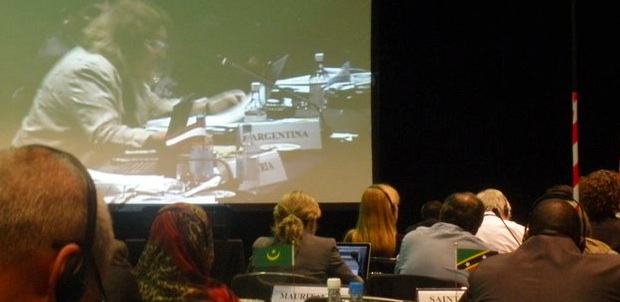
Noticias desde la 63 Reunión de la Comisión Ballenera Internacional
Golpe Ballenero en la Comisión Ballenera Internacional
Fuente: Instituto de Conservación de Ballenas (ICB)
Tras la presentación de la propuesta para crear del Santuario de Ballenas en el Océano Atlántico Sur, realizada por Argentina y Brasil – con el apoyo del Grupo Buenos Aires - países del bloque ballenero se retiran de sesión para impedir la votación.
En este momento las sesiones se encuentran detenidas, dado que se está llevando a cabo una reunión privada de comisionados a la espera de ver formas de avanzar con este escándalo que solo intenta bloquear iniciativas tan importantes para la efectiva conservación de las ballenas como lo es la creación del Santuario, informa Roxana Schteinbarg directamente desde el mismo recinto donde se lleva adelante esta 63 va Reunión Anual de la CBI.
Esta situación desenmascara las verdaderas intenciones de mantener cautiva a la CBI de los intereses de los países balleneros. Es de destacar el importante rol del Grupo Buenos Aires, que nuclea al bloque de países latinoamericanos en la CBI, para impulsar acciones efectivas de conservación. La votación permitirá mostrar al mundo entero que existe una genuina mayoría a favor de la conservación y uso no letal de las ballenas. Esto es justamente lo que ellos desean ocultar.
Elsa Cabrera, directora ejecutiva del Centro Conservación Cetácea también presente en la reunión expresa; “resulta inaceptable que Japón junto a un bloque de países balleneros, muchos de los cuales han sido cuestionados por sus asociación con la política de compra de votos de ese país al interior de la CBI, intenten imponer un sistema dictatorial al interior de una comisión que cuenta con estatutos democráticos para ejercer el legitimo derecho de adoptar decisiones mediante votaciones.”
El Santuario espera que su futuro se decida y todos nuestros esfuerzos están concentrados para que al finalizar el día de hoy las ballenas cuenten con una nueva área libre de cacería.
Más información en nuestra página de campañas y en el facebook de ACOREMA.
Al cierre de este comunicado los delegados continuan en sesión privada intentando resolver la crisis generada por el gobierno de Japón en la CBI.
9 de Julio de 2011
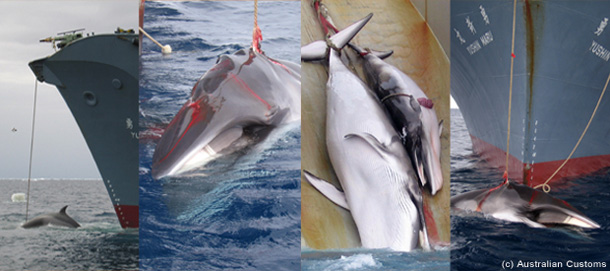
Países de América Latina y Sociedad Civil juntos por las ballenas.
Entre el 11 y el 14 de julio de 2011 se realizará en la Isla de Jersey (Reino Unido), la 63ra Reunión Anual de la Comisión Ballenera Internacional (CBI), en la que los países miembros de este organismo multinacional tomarán importantes decisiones sobre el futuro de las ballenas a nivel mundial.
Desde el año 2005, ACOREMA integra una coalición de organizaciones de la sociedad civil de América Latina y El Caribe vinculadas a la conservación y a la promoción de la investigación y uso no letal de los cetáceos; y junto a los gobiernos de los países latinoamericanos miembros de la CBI como son: Argentina, Brasil, Chile, Colombia, Costa Rica, Ecuador, Panamá, Perú, México, República Dominicana y Uruguay (denominado Grupo de Buenos Aires (GBA)) impulsan de manera sostenida una fuerte postura para que se mantenga la moratoria mundial a la caza de ballenas, y se implementen otras medidas a favor de la conservación de estas especies. El pasado mes de junio, la coalición de organizaciones de la sociedad civil emitió la “Declaración de las Organizaciones de la Sociedad Civil de América Latina al Grupo de Buenos Aires. 21 de junio 2001”; por su parte, el GBA fijó su posición mediante la “Declaración emitida por los países participantes de la VIII Reunión del Grupo de Buenos Aires, Argentina frente a la 63 Reunión de la CBI”. A estas se suman una serie de acciones en las que individuos e instituciones pueden expresar su decisión de apoyar la conservación de las ballenas. Este es un momento crucial para las ballenas. Tu participación es vital. Únete, participa de la Campaña Cero Caza de Ballenas. Firma ahora ingresando a www.cerocazadeballenas.cl
En el mar de Perú existe una gran diversidad de cetáceos, comprendida por 30 especies entre las que destacan 9 especies de cetáceos mayores bajo jurisdicción de la Comisión Ballenera Internacional (CBI). Esta es la lista completa de las especies de cetáceos registradas en aguas peruanas.
Más información en la página de campañas
30 de setiembre de 2010
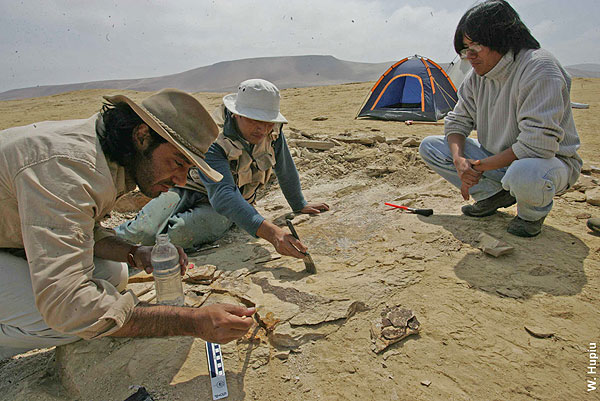
Pingüino fósil hallado en la Reserva Nacional de Paracas. La prestigiosa revista Science da cuenta del descubrimiento del fósil de un pingüino gigante de casi 1.5 m de altura que vivió en la zona de Paracas durante el eoceno, hace unos 36 millones de años. Esta nueva especie de pingüino, denominada Inkayacu paracasensis, fue hallada por Alí Altamirano, miembro de ACOREMA y colaborador del Museo de Historia Natural de la Universidad Mayor de San Marcos y descrita por un equipo de investigadores nacionales y extranjeros. La importancia del hallazgo es que el ejemplar conserva las escamas y en especial las plumas (nunca antes encontradas en fósiles de pingüino), las cuales revelan que esta ave tenía una coloración marrón-rojiza. Además, el excepcional estado de conservación de las plumas permite estudiar la evolución de la coloración en los pingüinos, desde las formas más primitivas hasta las que conocemos en la actualidad.